Problem statement which project aimed to resolve and why?
Education is a key to the progress and development of a country and science education plays a major role in it. India has made much progress in the education sector since Independence including the progress in science education. However if we look at the number of students opting for science stream, it is decreasing especially in Government/aided schools. The Government has made considerable efforts at the National and the State level to ensure that science education becomes an important aspect of curriculum in all the schools and efforts have been made to ensure that a conducive learning environment is created for the same. However, Out of the total 1, 17,257 secondary schools in the country, only 49,278 (42.03%) schools are having facility of Science laboratory. Out of 49,278 schools having Science laboratory, 70.64% of the schools are having adequate Science laboratory.
After so many efforts, still there are many schools missing basic infrastructure for promoting science education which does not let the children get an opportunity to study and experience the surreal world of science and technology. Science education in India is faced by many practical challenges today and absence of basic infrastructure to study science is the most basic problem that has persisted and resisted solution since Independence. There is a wide gap between opportunities created in the areas of Science and Technology jobs and the students taking that up as a discipline. Current science curriculum creates followers of science but not innovators of science and over the years STEM education has been trying to motivate students to take up science in order to foster innovation in the classrooms and their careers.
How did the project resolve the problem?
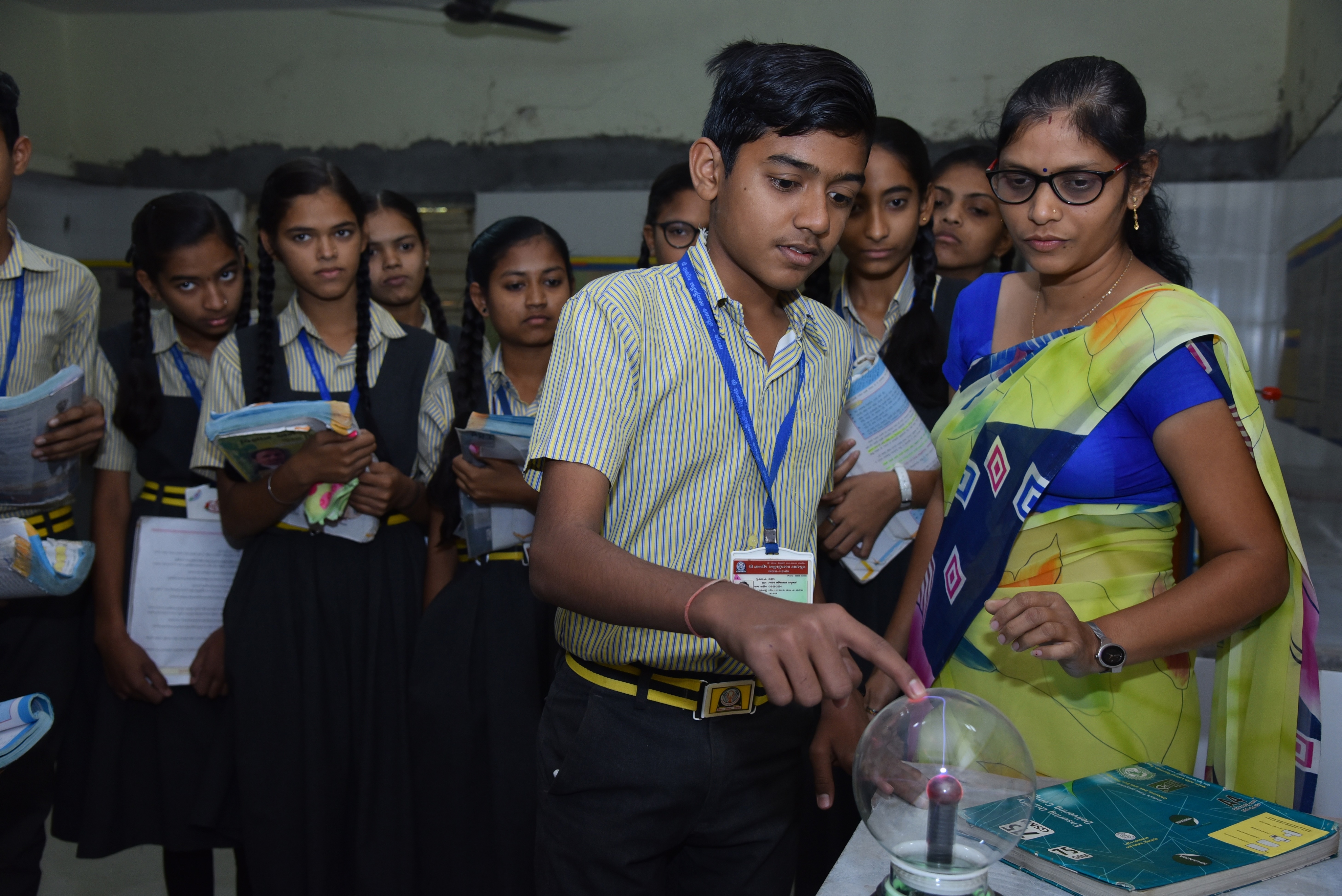
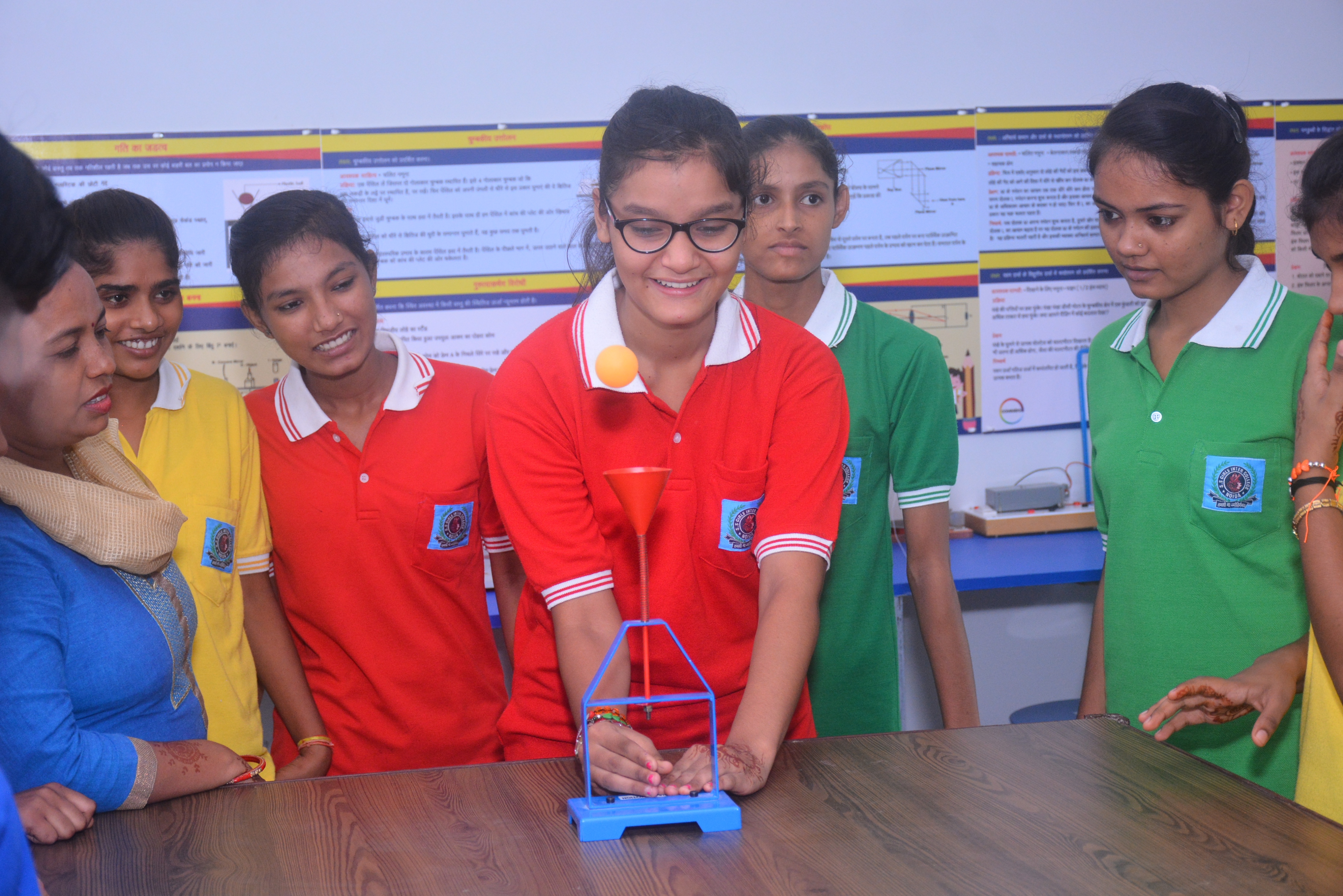
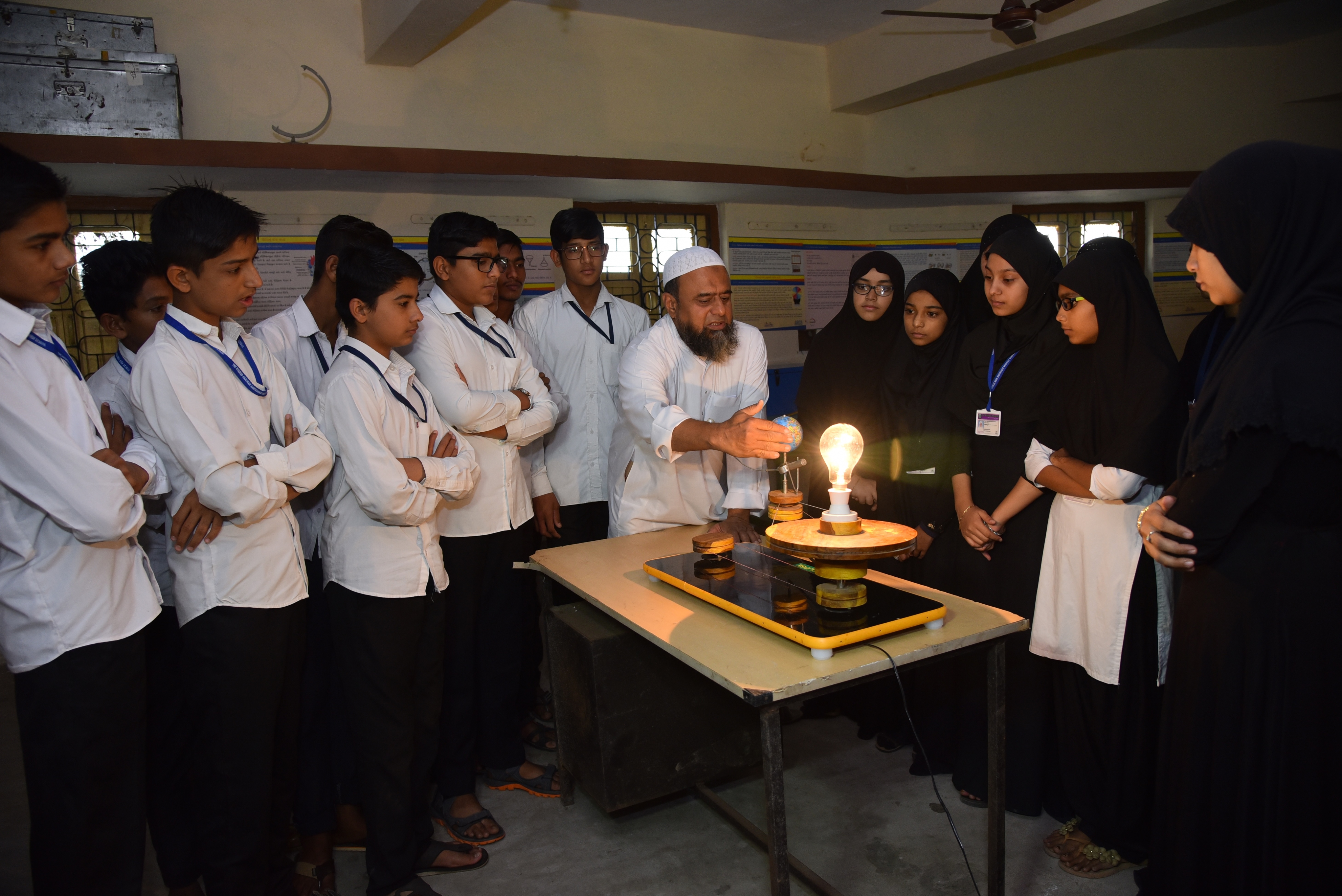
Brighter World Lab, an initiative by Covestro (India) with the purpose of promoting scientific reasoning among children and creating a new generation of analytical thinkers. The project was launched with installations of 10 Maths and Science laboratories called Brighter World Lab in four cities; Greater Noida, Ankleshwar, Mumbai and Cuddalore in 2017. The baby steps that Project BWL took in its first year was limited to making infrastructural interventions in the government aided schools whose poor infrastructure resonated with the poor aptitude that children bore against these subjects.
In 2018, having collaborated with the ARCH Foundation, Project BWL has made a stronger mark. With 20 additional Brighter World Labs being installed in FY 2019 and 20 more in FY 2020 in four locations – Greater Noida, Ankleshwar, Cuddalore and Mumbai, we have given a formidable structure to the project with a three-year comprehensive execution plan. We realize that setting up good infrastructure does not alone guarantee quality education. There is an urgent need to create systems and procedures that ensure deployment of the resources towards the benefit of the students. Therefore, the following activities are conducted to create that learning eco-system.
• Teachers’ training program -Teachers’ workshop and training programs are important features towards identifying the existing skills of the teachers and polishing them and in turn providing them with newer skills to enhance the pedagogy. Such platforms prove to be a meeting point for the teachers of various schools where problems, challenges, and good practices of pedagogy are shared amongst the teachers. The training focuses on building rapport with the teachers and equips them with the practical knowledge of using different equipment and models installed under the BWL. More than that, the training programs also act as a tool to identify areas of synergy where the schools can come together to make science interesting for the children and teachers alike.
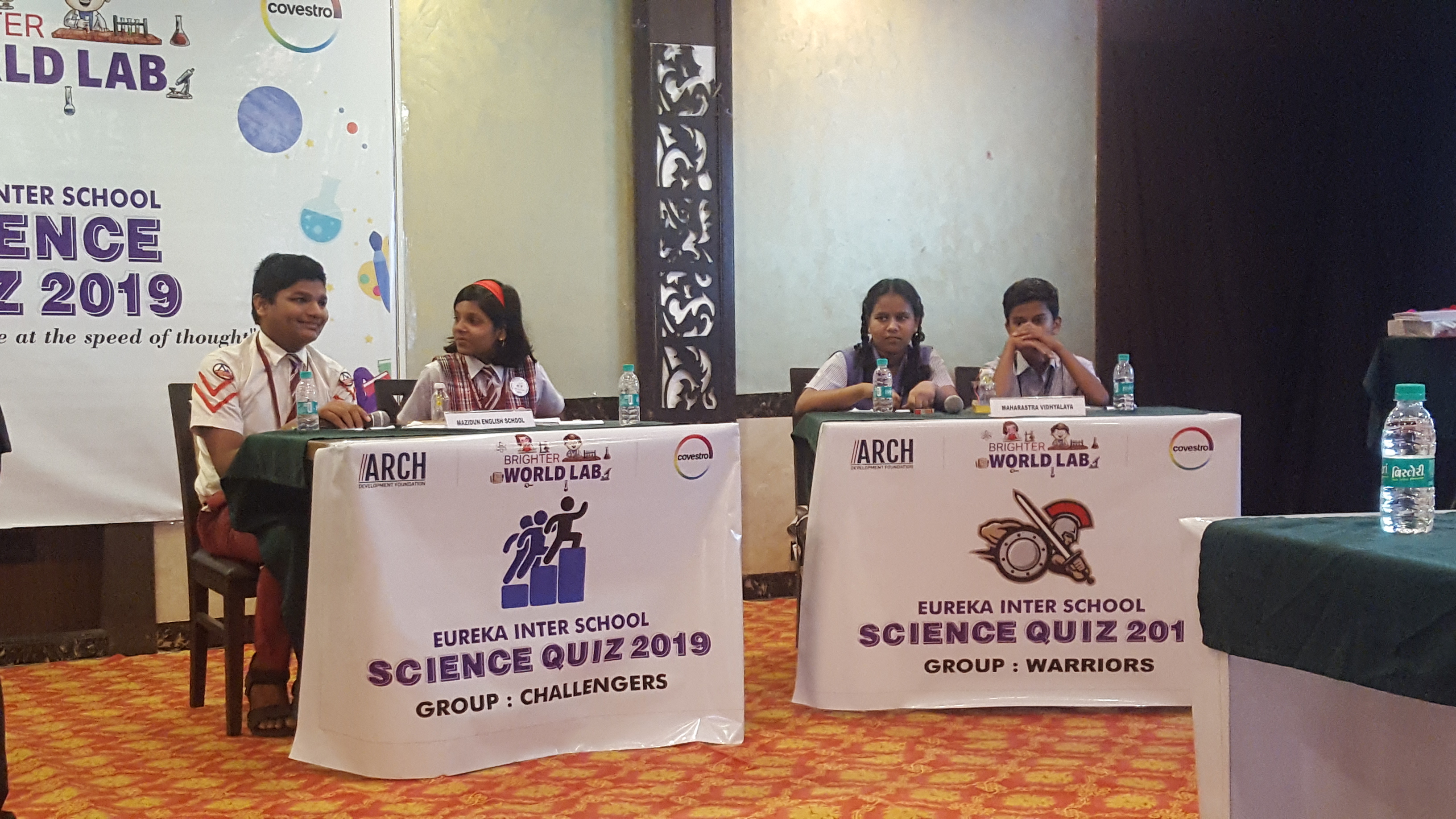
• Science Quiz – Organization of Science Quiz at an inter-school and intra- school levels prove to be a push for the students and the teachers to look beyond the textbook curriculum and be engaged in learning that is not limited to the classroom alone. Quizzes of such a genre are organized to rekindle the spirit of science amongst the curious minds of the children so that they can comprehend the theory into practice and widen their imagination.
The aim of conducting a science quiz under the BWL project is to develop a spirit of partnership amongst the students while at the same time encouraging the students to develop a sense of search and enquiry. Moreover, it exposes the students to a world outside the schools and brings the outside world into their own school which helps them to identify the variety of knowledge that people possess. The science quiz is organized in three phases which include a screening of the student teams through a pen and paper round of multiple-choice questions on math, physics, biology, current events, and reasoning. The student teams screened through this level are eligible for the semi-final round, winning in which makes the team move to the final round of the quiz competition. This activity reinforces the students to actively participate and learn concepts of science. The winning teams are felicitated with medals while the participants are awarded a certificate of participation each.
• Science Club – Little interjections and direct interventions of science with students have a lasting learning impact on them. Science Clubs are an innovative way to foster curiosity and discussions amongst the students and the teachers in an interactive way through various experimental mediums. To ensure this, ARCH has developed a module on various Do-It-Yourself science-based experiments aligning it with the syllabus of the schools. The module includes various activities to be carried out with the students from 6th to 8th grade. Through these activities, the students get an out of class exposure where learning takes place through hands-on experiences and models while at the same time engaging in discussions that encourage the spirit of inquiry attitude amongst the students.
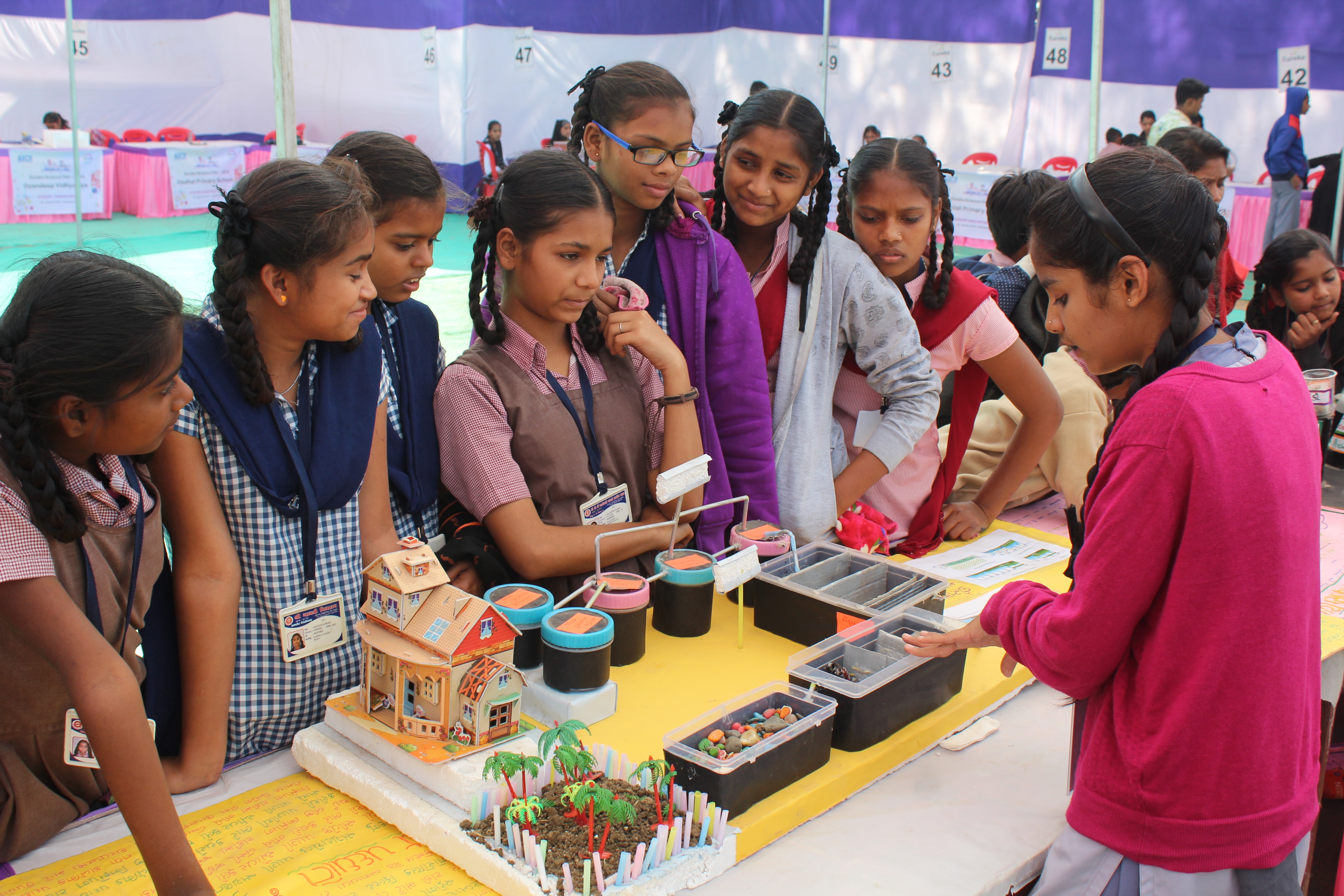
• Eureka Science Fest - Science is celebration! Eureka Science Fest is a platform that culminates all the activities into 3 days event where the learning is exhibited to be shared amongst the participants of various schools. The event includes various activities like poster competition, debate competition, and science fair, which give them an out-of-classroom learning experience and invigorates the spirit of exploring science concepts in them. Through Eureka Science Fest, we aim to offer a completely new learning approach to not only children and teachers but also the public at large.
This activity not only boosts the enthusiasm of the students but also promotes in them fervor for learning beyond the conventional methods and realize that the discipline of science is not limited to a few people alone. The interaction that takes place during the fair exposes them to a variety of other students coming from different schools thus providing them a platform to share ideas related to science.
Brighter World Lab (BWL) project is a way to reinforce science education in the schools so that children realize that science is beyond textbooks and the world beyond textbooks is real and full of surprises.
What did you achieve as outcomes? What impact project has created on the ground?
The Brighter World Lab Project was conceived with an idea of imparting science education in the minds of the children with a major objective of making science engaging and fun loving and mostly, to foster active learning. Over the years, since its inception, BWL has not only ensured infrastructural facilities for the labs but has also helped in viewing science from a different perspective of it being engaging and interesting at the same time.
As per the Impact study conducted in 2020 by using Social Audit framework, following impact was measured under each strategic area –
• Overall coverage of the BWL - Initially BWL was launched only in a limited number of schools. The plan was to start the labs on a pilot basis in selected schools to understand its impact on the teachers and students and how well it is accepted by the involved stakeholders. The impact of the initially established BWL was such that it ensured more labs were opened in different schools which really needed such facilities to provide the students with a more effective learning environment
• Systems for using lab - The majority of the schools have kept their labs open for the students from 5th to 10th Grade who can use the lab and learn Science in a more easy and fun-loving way. 17% of the teachers said that they take the students to the lab as per their fixed time table, 24% of them said that based on the need of the topic the lab was used and 47% of them said that the students are at least exposed to the lab once or twice in a week. Thus the overall usage of the lab was being done effectively based on the need.
• Scholastic/Co-Scholastic improvement Indicators - Though BWL and its associated activities have ensured to raise the interest of students in the Science field, other indicators were also observed which reflected the success of the BWL project as a whole. There were indicators that have contributed to BWL being a successful endeavour among the students and the teachers, which spoke volumes of the efforts undertaken under the project. Based on the feedback received from teachers following changes have been observed in students:
o Increased Enthusiasm and confidence
o Passive learning gave way to active learning
o Active participation in events and programs
o improved performance in Science Subject
o learnt importance of team work
o Increased grasping power and IQ level
• Improved teaching methodology - In order to ensure effective implementation of BWL the teacher training program was made an important aspect of it. The Labs cannot function properly if the teachers handling it themselves do not know how to operate it. Thus before the setting up of the labs, the teachers from various schools were trained on how to use the labs, the teaching approach to be used, and various practical methods that can be used. Teacher training acted as an important refresher course which helped the teachers not only to enhance their knowledge of Science but also gave them an opportunity to self-evaluate themselves and find out which professional areas they need to develop more. It gave them a platform to understand various methods of teaching and learning which they could adapt to improved learning.
What did you achieve as outcomes? What impact project has created on the ground?
Direct Beneficiary (groups) Number of Direct Beneficiary Indirect Beneficiary (groups) Number of Indirect Beneficiary School 50 Teachers 76 Students 34253
Key indicators of project results?
Indicator Particulars BWL usage 53% teachers said that they use lab at least once in a week.
41% teachers said they use lab asper timetable or according to the need of the topic.Increased interest in Science 90% teachers said that interest of students in the science subjects have increased. Due to the introduction of BWL, students would wait for the Science period so that they could explore more of Science through practical experiments in the lab. Increased bonding between the students and the teachers 88% teachers said that they observed the increase in bonding between them and students. BWL has helped in making the teaching and learning process an interactive one due to which the teacher and the student bonding has increased over time. increased the self-confidence of the students 86% of teachers confirmed that participation in various competitions and representing the schools has helped the students a lot in shaping their personalities. BWL has created a positive attitude amongst the students towards learning and has given them the confidence to exhibit their knowledge at various platforms.
Technology used to reach out to more students and achieve larger impact
Under the project an online platform has been created for students to establish direct link with them. Students are encouraged to use science club activities and other relevant webinars organized through zoom platform. So far 848 students have been covered through online platform.
Other information of the project
The change in the attitude of the teachers and students shows how the BWL Project has created a positive impact in all the schools where it was implemented. Over the years from the start of this project, it has brought an attitudinal change in the students and teachers towards Science. The students are now more confident about learning Science compared to how they felt before the project, they are now more eager to take part in various competitions, which are related to the Science field. Similarly, now the teachers are also finding the teaching and learning process more interactive and involving. The BWL project has altogether given a new approach towards the Science subject in these schools and in shaping the character of the students.
Sustainability and Scalability of the project.
Project sustainability has always been the focal point of the project plan. A phase-wise plan has been executed to ensure project activites are sustained in long term. Following indicators have been used for project sustainability –
1) System for using BWL – Currently more than 70% schools are having a proper system in school for using the lab regularly through different mode. A record book is maintained by school as a monitoring mechanism to have a transparent system indicating number of times lab is being used in a month covering students from different standards.
2) Regular Use of Lab – School teachers have been trained for using all the models installed in the lab. As per the project design, science teacher has been given responsibility for using and maintaining the lab to ensure use of lab after withdrawing the project post 3 year.
3) Participation in project activities and competition – Right from the beginning it was insisted that schools take the responsibility to participate and prepare their students for various events and competition. In the first-year schools are given guidance and support but from second year onwards school participate independently without any technical and materialistic support from the project
4) Sustaining Science Club activities – to sustain science club in school – two approaches have been used –
i. Training the teachers for science club activities – On past year teachers were involved during the science club activities helping them to understand and learn various experiments conducted in the club. A training was also organized for the teachers providing them more comprehensive information.
ii. Selection of BWL Young Champions. Two students (one girl and one boy) from 6th, 7th and 8th grade will be appointed as BWL young champions from selected 20 schools. They will be trained in conducting DIY activities and will be assisting the BWL coordinator during the science club activities. Following is targeted to achieve through young champion drive –
o Developing a cadre of students who will be ready to carry out science club activities from next year
o Promoting a culture of peer learning
o Developing leadership
o Most importantly, inculcating love towards science
o Creating an eco-system in school for science education
Scalability of the project –
A SoP for all the project activities has been created and followed to create a model which is replicable and scalable irrespective of location and group. Project SoP includes guideline for the following project components –
1) School selection and finalization
2) Process and Documentation for Lab installation
3) Method for Lab use and record system
4) Modus operandi for organizing various events and competition
5) Project outcome indicators to assess and monitor the project at regular interval
Previous Next