Problem statement which project aimed to resolve and why?
Nayara Energy is a new-age downstream energy company of international scale with a unique mix of young and experienced minds and a robust foundation of best-in-class infrastructure and processes with a desire to deliver excellence, every step of the way.
Driving inclusive growth and delivering value for the stakeholders is at the core of its beliefs. Through various sustainable development projects in the areas of health & nutrition, education and environment, Nayara Energy continues to play a pivotal role in improving quality of life of the communities.
The coastal Saurashtra region along with Kutch covers about 1,125 km of coastline. The region is marked by highly erratic rainfall, aridity, and seasonal rivers of shorter length and shallow depth. The predominant geological formation of Saurashtra is of hard massive basaltic rocks and limited groundwater resources. Withdrawal of groundwater from coastal aquifers for irrigation and drinking water needs leads to seawater intrusion, resulting in high salinity making the groundwater unfit for irrigation and human consumption.
Nayara Energy operates within the close vicinity of 15 villages of the Jamnagar and Devbhumi Dwarka districts. The area around our Vadinar refinery is located in the saline, coastal belt of Saurashtra. Hence developing farmlands and optimizing income from the land is a huge challenge for the farmer community, with salinity ranging from 390 to 9100 TDS. The average rainfall is 487 mm. Overdependence on monsoon and rain-fed agriculture along with poor soil health has had a detrimental ripple effect on the various facets of rural communities. In the last decade, 5 years have had scarce rainfall ranging 250 mm to 402 mm.
Water continues to be a major area of concern and water resource management becomes a primary need of the area. Despite water availability being a challenge, agriculture & animal husbandry continue to be the major source of livelihood. The source of irrigation for agriculture is largely rain-fed. And with 35,000 cattle to cater to, the water requirement is significant. Moreover, aspects such as health, livelihood, education, environment, etc. are directly and indirectly impacted by the availability of water. It may be noted that by 2026, the total water requirement for household consumption will be 1.5 3 MCM while livestock’s projected water demand will be around 1.50 MCM. Nayara Energy conducted hydro-geological assessment in these villages. It was found that not only was salinity an issue, but the demand vs supply gap was also very huge. Based on the future requirements of the villages, the study suggested a deficit of 44 million cubic meters (MCM) of water.
Nayara Energy has engaged with the communities across 15 villages of Jamnagar and Devbhumi Dwarka districts through our livelihood Project Gram Samruddhi. The project is a public-private partnership with the Government of Gujarat with and endeavour to make 11000 hectares in the region water neutral over the next few years by 2026 Apart from using technological interventions, the project involves climate-smart agriculture practices, water resource development and management, and other allied activities like animal husbandry. Through these interventions, the project has been successful in increasing farmer income over a period of time
Key interventions and activities conducted as part of the project
Nayara Energy’s strategy towards meeting water neutrality to meet the deficit of 44 MCM is based on the 3R principle - Recharge, Retention and Redemption. As stated, the focus is on recharging the ground as well as surface level water, which is then retained through series of structures and the water utilized is redeemed through a series of cyclical interventions like micro irrigation, crop water budgeting etc..
It may be also noted that our interventions are aimed at meeting the demand as well as the supply gap when it comes to the implementation of programmes on water resource management. On one hand, we are reducing the demand of water by promoting micro-irrigation, in-situ moisture conservation and encouraging farmers to promote low water consuming crops, while on the other hand we are adding on to the supply side by creating additional storage capacities, and water recharging systems, among others.
Nayara Energy’s approach to meeting water neutrality is multi-pronged. It started with hydro-geology study as the building block of the programme, and a stepping stone that helped devise the steps. The study depicted the exact nature and type of the Aquifer, and the depth/nature of the aquifers among others. In addition, it also suggested the different recharge and discharge zones in project area. The next step was drawing customized plans for each of the villages.
To enhance the livelihood of local community and yield of major crops, we planned series of productivity enhancement activities including crop demonstration, promotion of horticulture, vegetables, multilayer farming and organic farming.
To supplement the income through animal husbandry Nayara Energy has also been providing health care services through animal health camps, mobile veterinary clinic, breed improvement, deworming and vaccination services, community fodder development, and promotion of mineral feed supplement among others. Nayara Energy has also formed women Self Help Groups (SHGs) and built community cadre of women (Pashu Sakhis, Krishi Sakhi, Youth Sakhis) and is providing them regular training, handholding support, and linking them to income generation activities
Outcomes achieved and impact created on the ground.
The program has brought about significant and long-term changes in the lives of more than 10,000 people of 15 stakeholder villages. Theme wise impacts of the programme is mentioned below
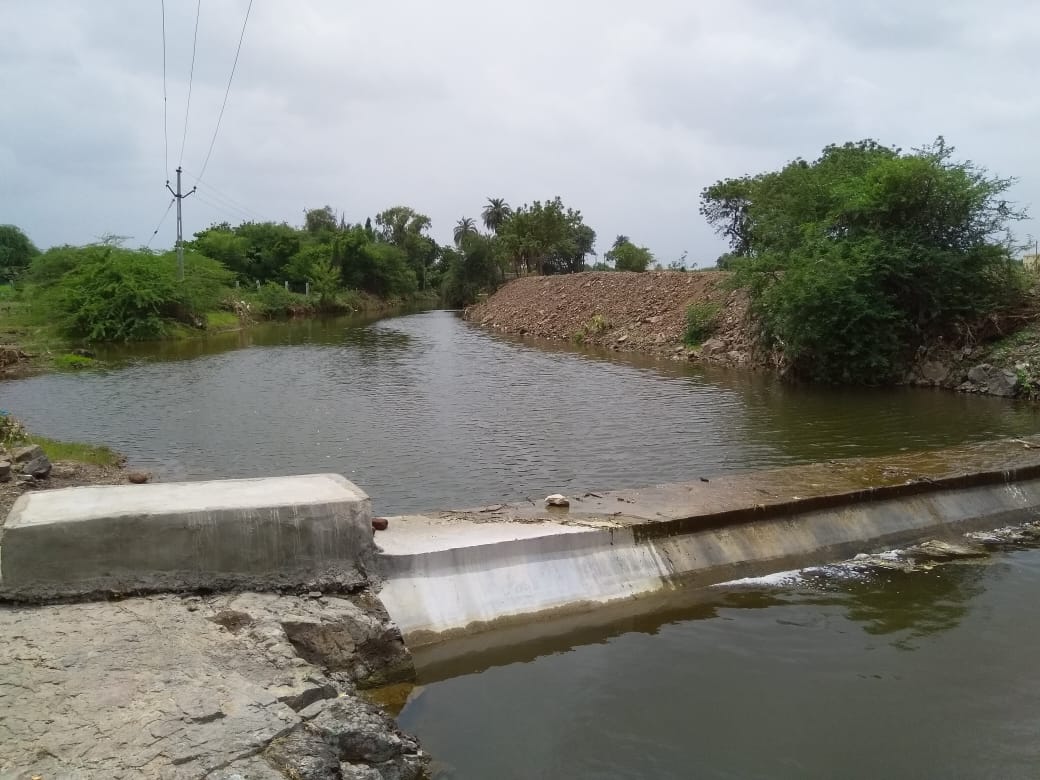
A. Water resource development and management: We have constructed and renovated 484 water-harvesting/recharge structures with active participation of local community. To conserve the moisture on farm, 97,566 meters of farm bunds have been constructed, and around 650 Ha of land treated through these farm bunds. Micro Irrigation promoted in around 400 ha land, which led to the saving of 60-70 % of irrigation water. Project Gramsamruddhi has increased additional water storage and recharge capacity by 8.47 MCM. By promoting micro-irrigation techniques and soil moisture conservation, water consumption has reduced by 2.97 MCM, delivering a cumulative benefit of 11.44 MCM, which is noteworthy. Through our efforts on water management, we have increased irrigation potential from 914 Ha to 3502 Ha.
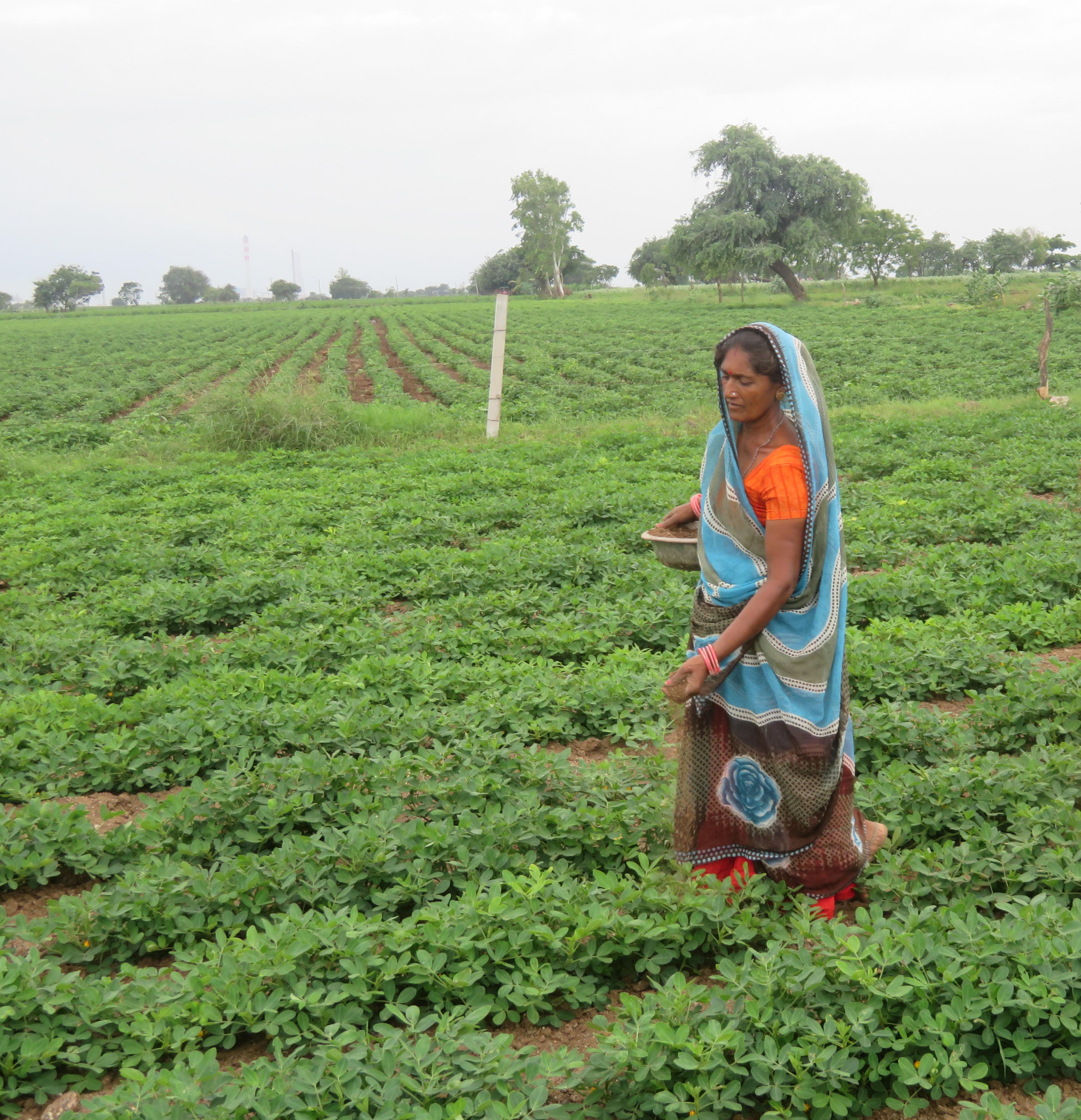
B. Climate smart agriculture: Impact of climate smart agriculture program is visible in multiple forms like crop yield, reduction in cost of cultivation, increase in bio diversity at farm, improve in soil health and finally increase in income. On an average, project farmers getting 20-25 % additional income from our agriculture interventions.
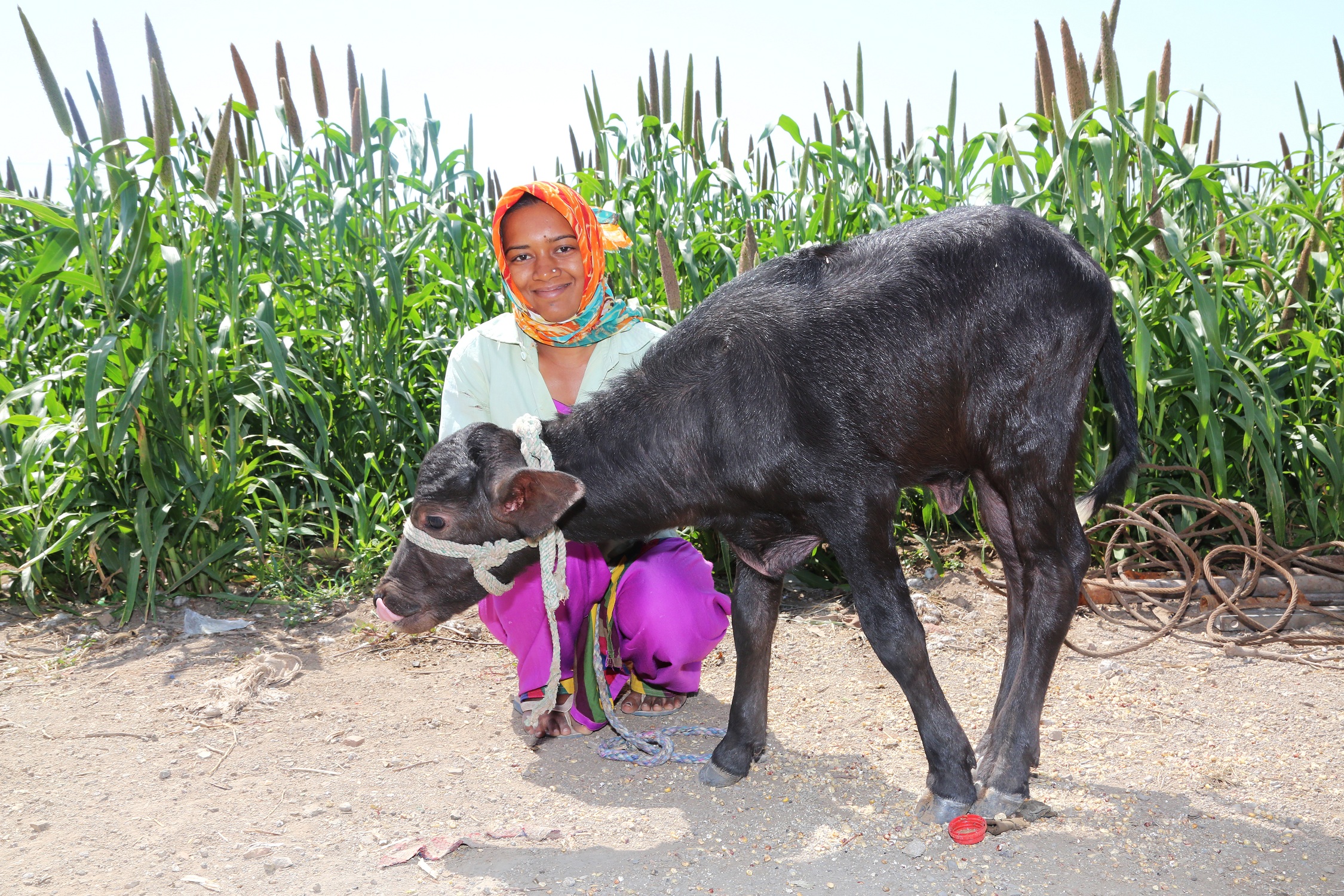
C. Animal husbandry and livestock management: We have promoted cattle healthcare with the help of 15 pashu sakhis (women in the communities). The pashu sakhis have been instrumental in spearheading the change in cattle rearing in the area. For enhancing livestock care, new fodder land has been developed in 83 hectares of the wasteland. This has resulted in a 20% decrease in the requirement of fodder in three village gaushalas (a shelter for cows, calves, and oxen). Breed improvement programmes have also been introduced to integrate milk production and dairying activities scientifically and holistically. Around 1259 female calves of Gir breed (197) and Zafrawadi buffaloes (1062) are born through this programme. With better dissemination of knowledge, there was also a reduction in the animal mortality rate in the region.
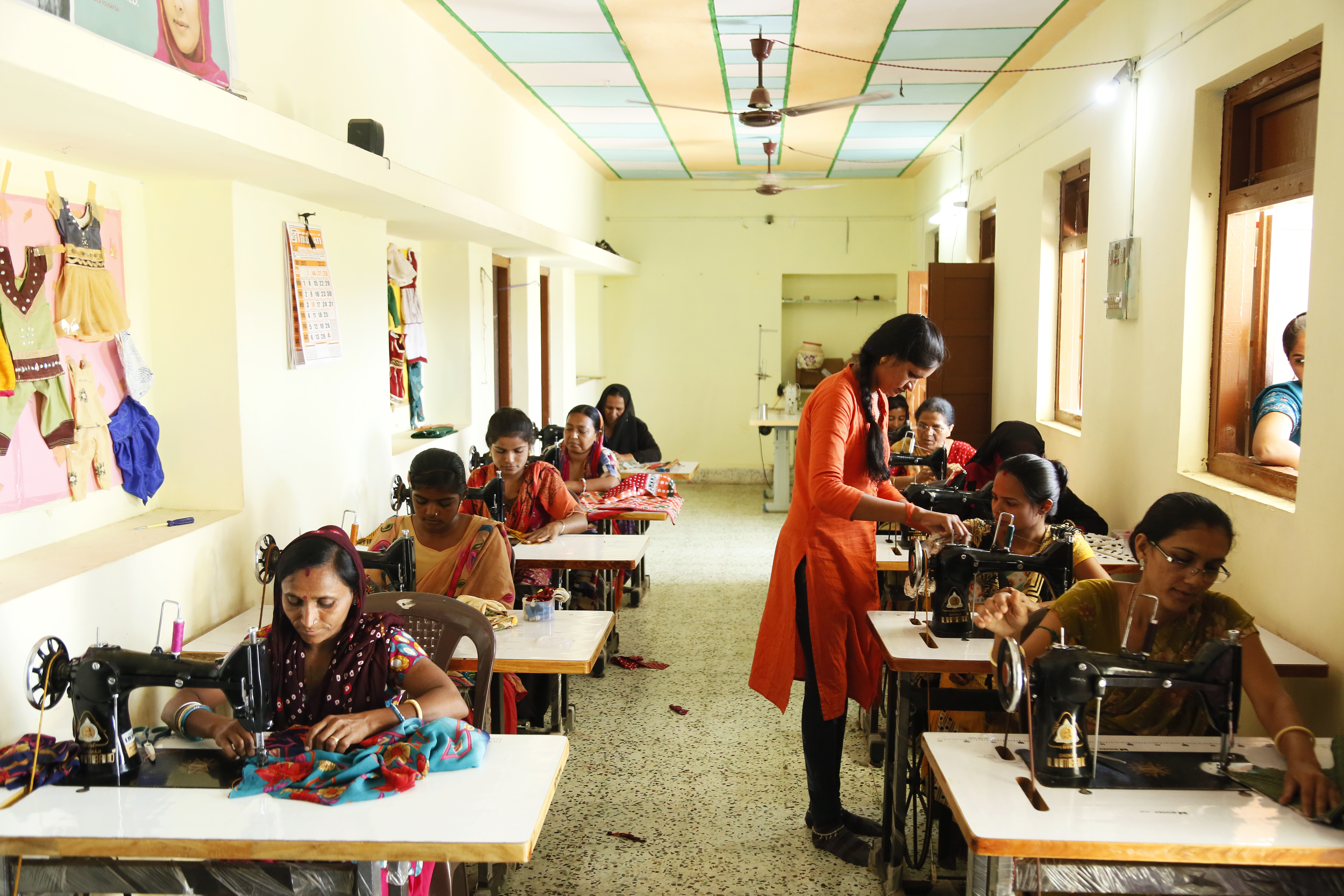
D. Women empowerment:- The company supports various micro-enterprises that empower women with financial stability. Nayara Energy supports a waste paper recycling unit in Singach village that is solely run by women producing high-quality hand-made recycled paper. Nayara Energy has also linked 600 women to about 57 self-help groups (SHGs), thereby introducing them to micro-financing options and activities focusing on livelihood generation. In this regard, a women-led stitching centre in Vadinar has now transformed into a full-fledged garment manufacturing enterprise. Recently, Nayara Energy has empowered and provided livelihood opportunities to over 200 women to produce over 1 lakh face masks to support the government’s fight against COVID-19.
Beneficiaries of the project.
Direct Beneficiary (groups) Number of Direct Beneficiary Indirect Beneficiary (groups) Number of Indirect Beneficiary Farmer families, individuals, and self-help groups 5000 households Farmers, women, youth, communities. 50000
Key indicators of project results?
Indicator Particulars 15 villages near Vadinar refinery achieve self-sufficiency in accessing good quality water to meet drinking & household need, animal & agriculture need through creating additional storage/recharge potential of 44.00 MCM All the 15 villages now have access to drinking water. We created 11.44 MCM additional storage/recharge potential through creation of water harvesting structures, utilization of micro and efficient irrigation system. Increased farm productivity and profitability Improved crop management practices, soil health management and crop diversification and better market linkage. There has also been a significant increase in the income of beneficiaries. While landless farmers reported a 12.05 percent increase in average income, the same was at an average of 39.94 percent for small farmers respectively. Similarly, the marginal and the medium level farmers also reported income increase at 15.47 and 26.86 percent respectively. Soil health improved in 700 ha Land through pond silt application, and there is increased bio-diversity in farm lands. Increased income from Animal Husbandry Trainings programs for pashu sakhis, breed improvement initiatives.1200 female calves of Gir cow and Jafarabadi buffalos were born in project area. Milk yield increased by 10 percent. On an average, a female gir or jafrabadi cow with increased milk yield costs between 10,000/- to 15,000/- INR, and the additional milk yield results in annual income increase to up to I0,000/- INR. Honing skills and providing livelihood opportunities in our communities • Formation of 57 SHGs in the region.
• Providing training to over 600 women for income generation opportunities and linking their initiatives with credit systems and options to market their products.
• Additional training for women farmers and dairy farmers through krishi sakhi and pashu sakhi initiatives.
• Around 200 women earned INR 3000-12000/0 per month by making masks during lock down
• Almost all the women broke social barriers, which itself is a significant milestone.
• 20 Pashu Sakhis/Krishi Sakhi/YouthSakhi INR 2000-7000/- per months, besides snowballing knowledge and information to other women, thereby creating a pool of resources.Opportunities for employment and entrepreneurship across the agriculture value chain Training unemployed youth, establish village outreach centres, establish value chain and market for their agriculture produces (Cotton, groundnut, horticulture produce, etc.)
Use of technology and how it helped the project activities.
A host of technological interventions have been deployed across various stages of Project Gram Samruddhi -
1. Scientific geo hydrological study and aquifer mapping conducted across the villages to develop a water security plan
2. Broadcast technology through mobile phones used for disseminating agro advisory services to 1200 farmers across the project area.
3. Usage of IoT (Internet of Things) for sensor-based irrigation control for the farms.
4. Smart Farm Module: Farms geo-tagged and the cost economic data including yield captured through smart phone on real time basis, enabling monitoring and improvisations in the farming practices. This system also enables features like satellite image based crop estimation and risk estimation.
5. Weather Advisory to Farmers - We are shortly installing an automatic weather station in partnership with Skymet, which will provide weather advisory service to over 400 farmers.
6. A low cost arch dam technology deployed for water harvesting initiatives. 4 such arch dams constructed
Leveraging government scheme(s).
Multilevel partnerships with various government bodies and institutions have been explored though the course of the project.
At the 2019 Vibrant Gujarat Summit, Nayara Energy joined hands with Government of Gujarat in a public-private partnership to make 11000 hectares in the region water neutral over the next few years. The company recently also signed an agreement with NABARD to implement the Integrated Watershed Management Program in 500 ha land across 5 villages.
We also disseminate important information amongst the communities regarding government schemes and the implementing agency is playing a key role to bridge the gap between government and community for effective implementation of schemes/program. Under this program, funds have been mobilized funds from various Government bodies such as Gujarat Land Development Corporation (GLDC), Agriculture department, Animal Husbandry Department, KVKs, State Agriculture universities, Research Institutes, Gujarat Green Revolution Company (GGRC) etc.
Nayara Energy has also collaborated with Paschim Gujarat Vij Company Limited (PGVCL) for installing 19 Solar Irrigation Pumps in the Mithoi village.
Sustainability and Scalability of the project.
Nayara Energy has focused on formation and strengthening of community institutions within Project Gram Samruddhi to ensure continuity post project duration. We also have ecosystem based approach with outcome orientation, that eventually leads to sustainability of program.
Water user groups have been formed for individual water structures linking them with respective Gram Panchayats. The company has also trained Bhujal Jankars (Community workers build expertize in Groundwater Management and water use efficiency), Pashu Sakhis (Female Vet Care Extension worker), Krishi Sakhis (Female Agriculture Extension worker), AI technicians etc. from the community, who now provide the technical knowledge to the community and are available 24/7 in the community. Consistent support has also been provided to strengthen Gaushala Samities to conserve water on waste-lands, to grow fodder and ensure self- sufficiency in fodder availability. 5 Watershed Committees and one Central Committee have been formed to implement integrated watershed management program in across 5 villages.
As a part of the project, people from local community have also been trained in seed production, preparing manure and organic pesticides through locally available materials, so their cost of cultivation will be reduced and over dependency on money lenders is eliminated, thereby making the farmers and the programme sustainable.
The scalability of the programme to other sites/locations/larger audience depends on the result and findings of the existing program, its effectiveness, adaptability, high return on investment etc. Since all the villages in coastal Gujarat, are facing similar types of challenges related to water and livelihoods, our program has the potential to be scaled across the coastline of Gujarat and other parts of India.
We have also trained local cadre of youths as Bhu Jal Jankars, Krishi Sakhis, Pashu Sakhis to scale up the program. These trained resource person also have skills to further train others for ground water management, provide extension service in sustainable agriculture and livestock management etc.
Any other information of the project.
We have completed planning and piloting phase of project. In the coming years, we will scale our interventions of 15 villages in surrounding districts. At the same time, we will strengthen our work on value addition, technological interventions and market linkages to increase program effectiveness and greater outreach.
Previous Next