Problem statement which project aimed to resolve and why?
According to Department of Drinking Water supply, Government of India, nearly 90% rural water supply is sourced from groundwater (DDWS, 2009). Irrigation has been the prime mover of agricultural growth in India. Much of the recent expansion in irrigated area is based on drawing more groundwater, with 60-70% share of current irrigation (Kulkarni et al, 2009). Similarly, over 48% of the total urban water is derived from ground water sources (CSE, 2012). This rampant use of groundwater in the last two decades has adversely affected the availability and quality of potable water - especially for low-income communities in rural & urban areas. Drinking water is a fundamental human need and access to clean drinking water, a human right. Each person on Earth requires at least 20 to 50 liters of clean, safe water a day for drinking, cooking, and simply keeping themselves clean. Around 1.8 million people die every year of diarrheal diseases like cholera and a host of other contaminated drinking water-related ailments
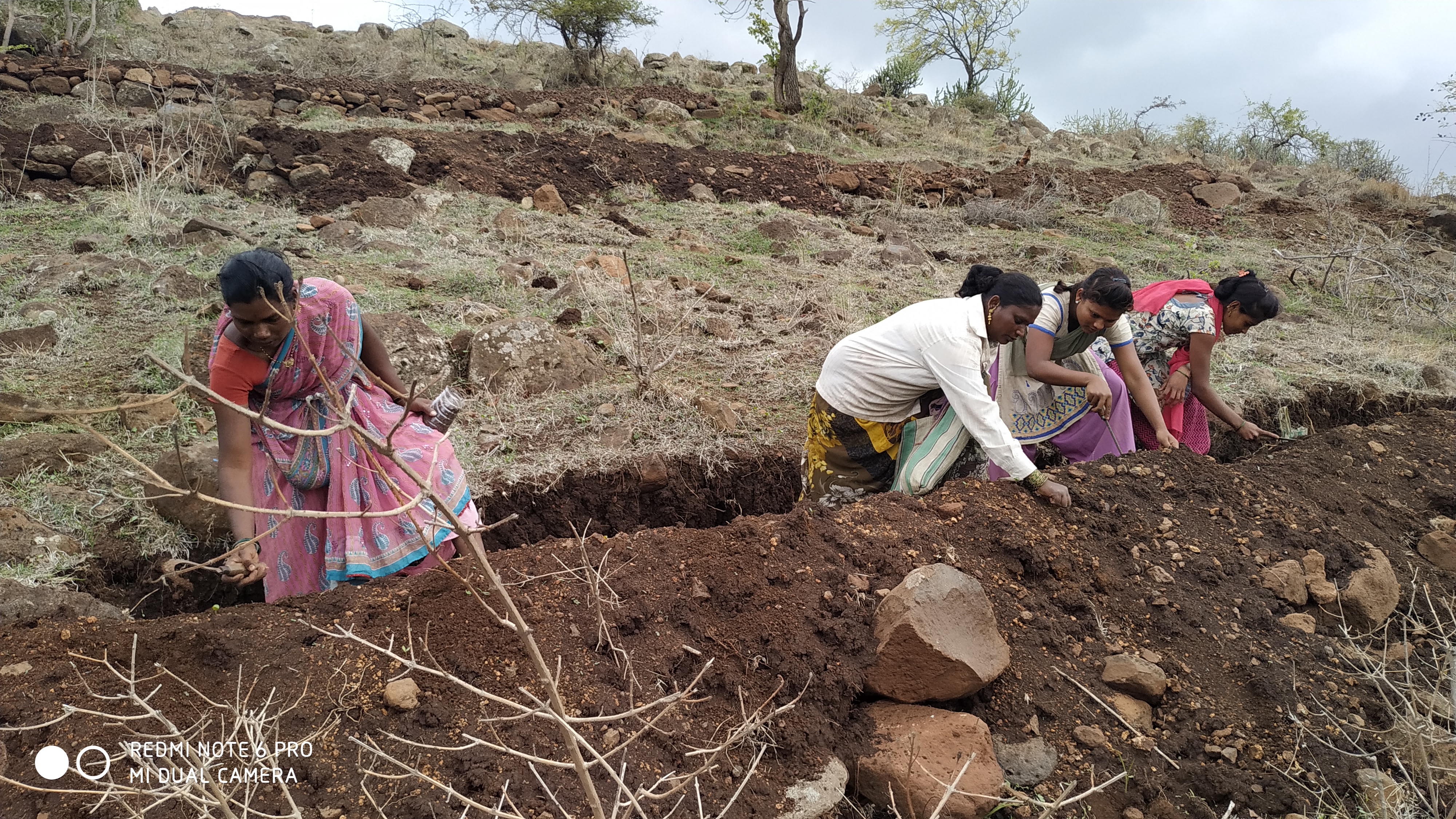
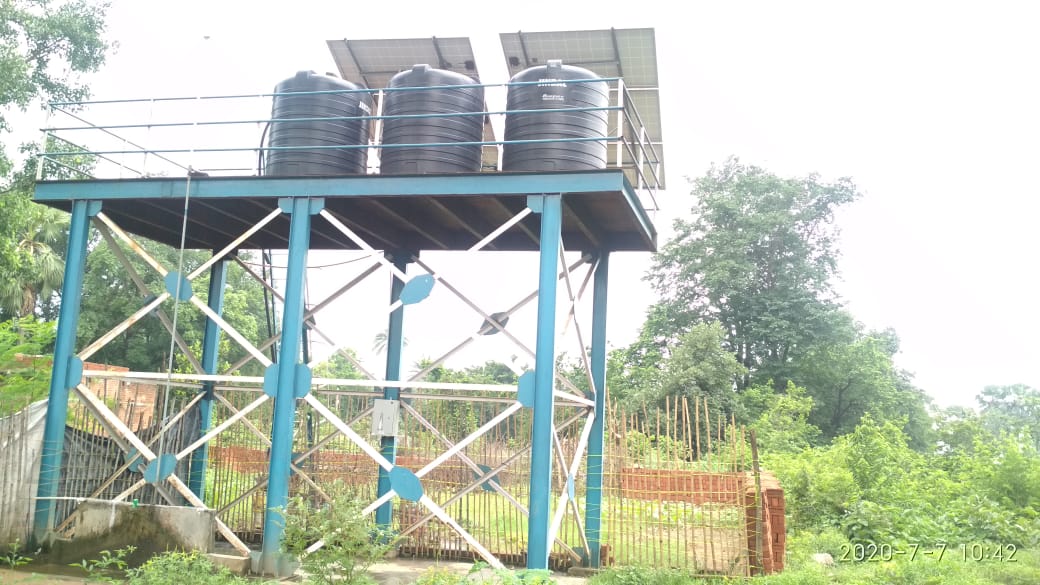
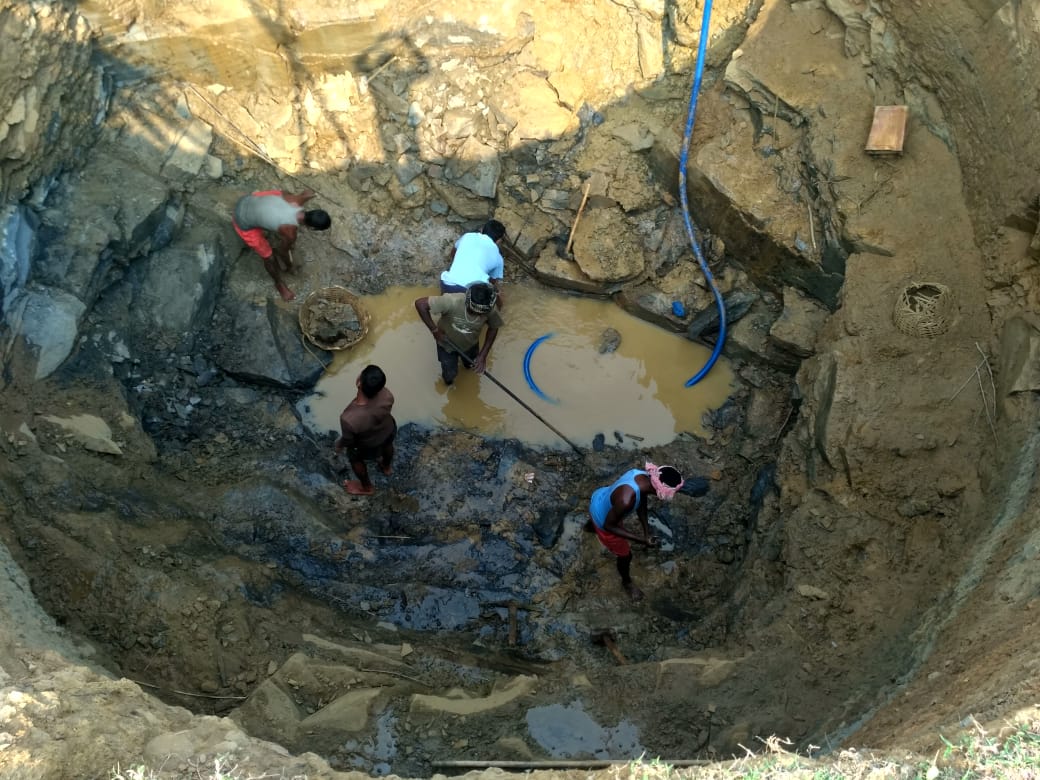
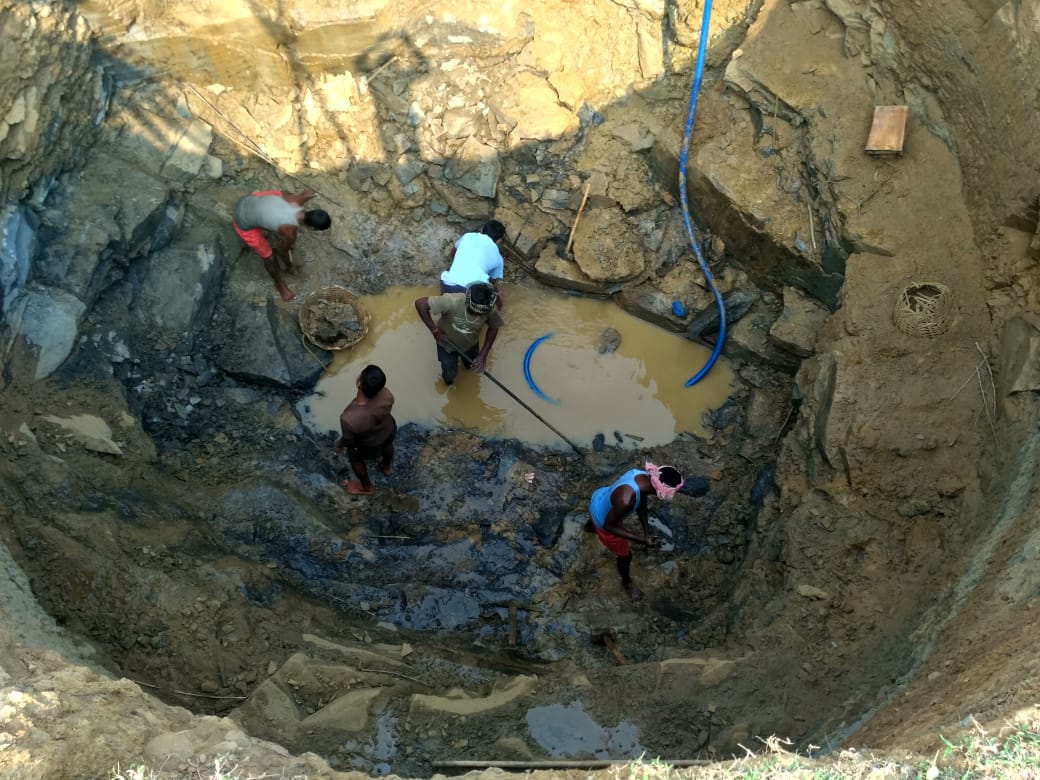
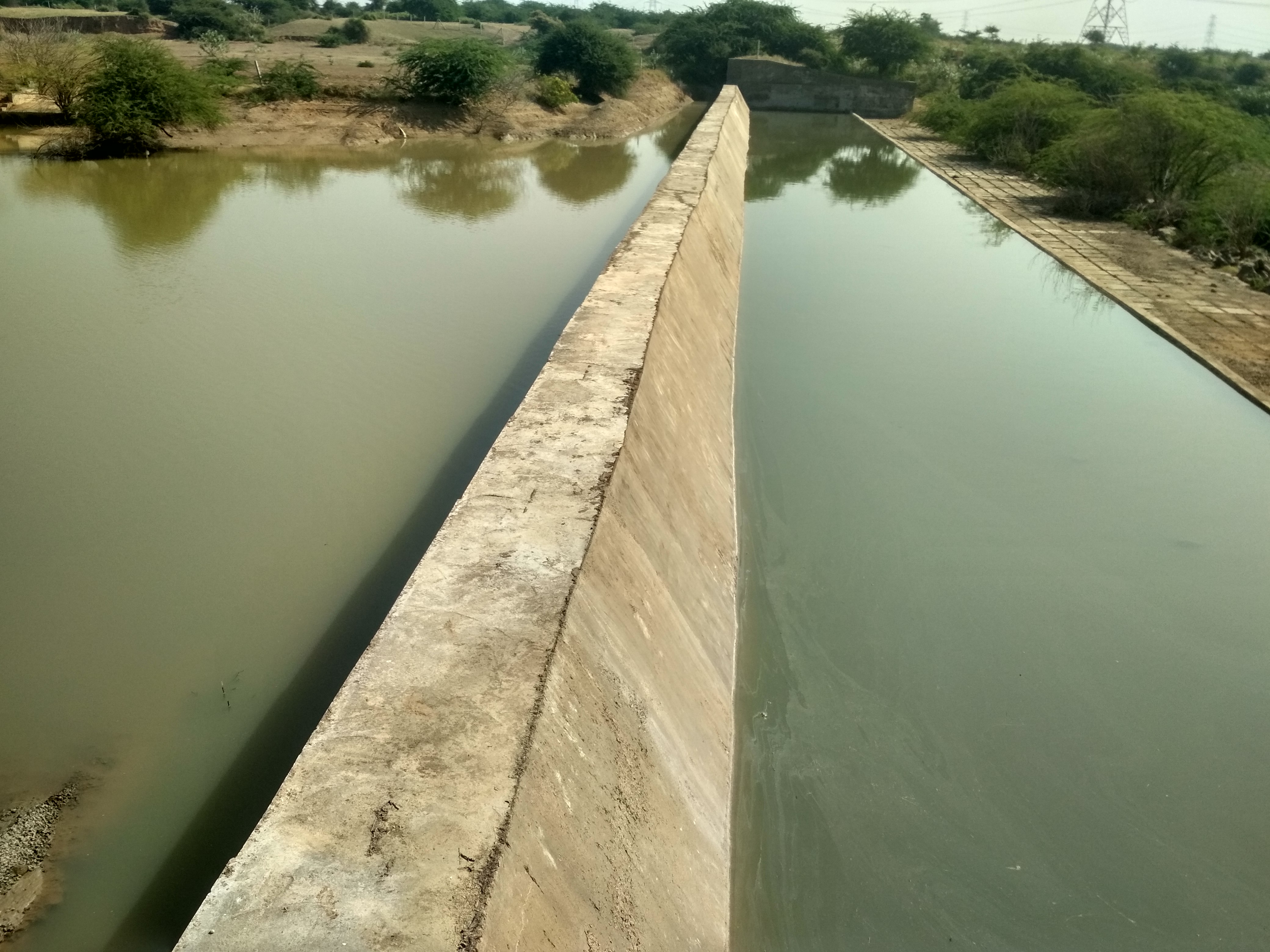
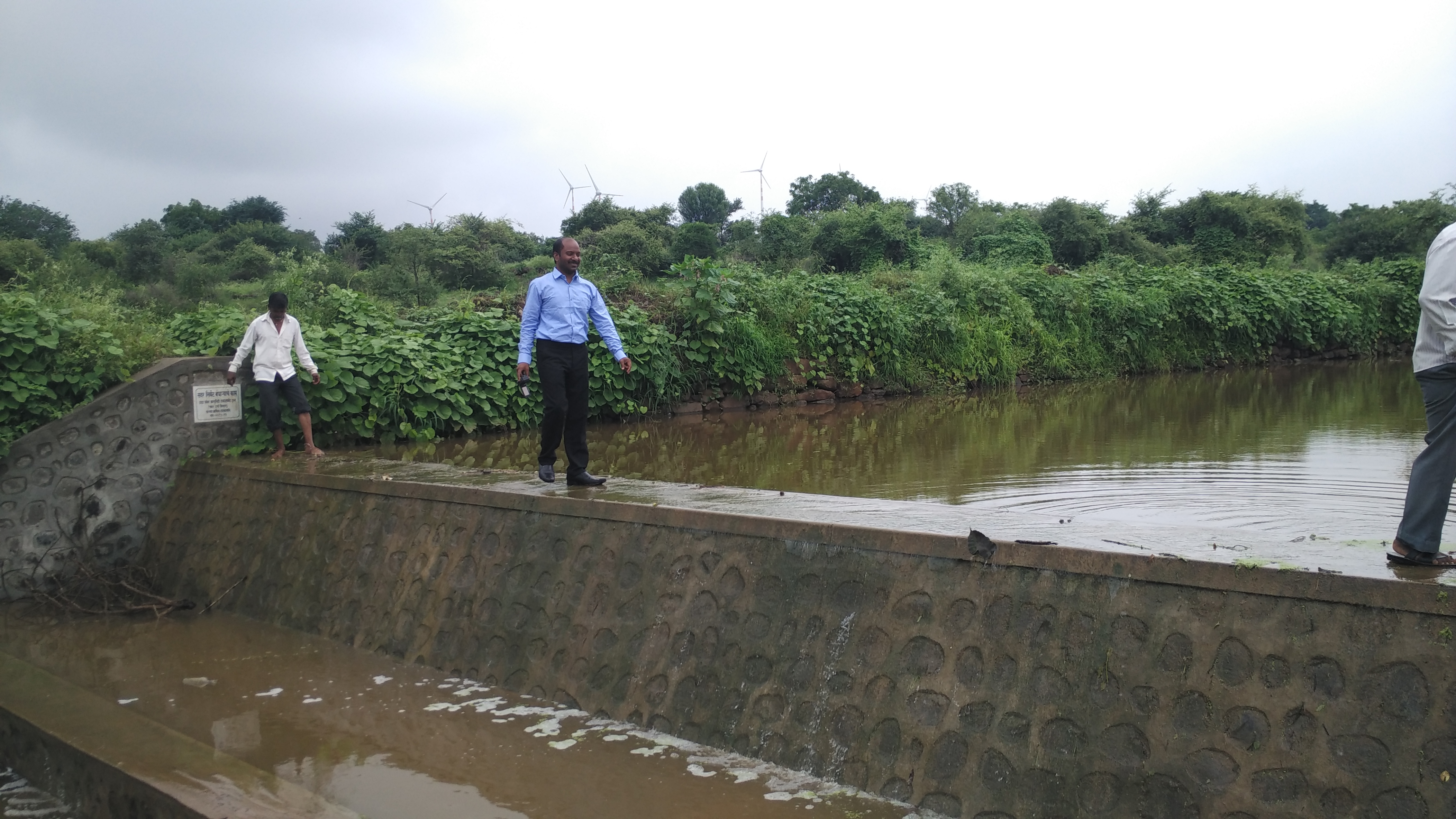
Tata Power CSR teams across water scarce regions of Gujarat, Maharashtra and Jharkhand; evaluated & adopted an integrated water management & ground water replenishing approach for public health, livelihoods sustainability & water security in our target regions. Water Security has been a focus area driven in these key regions since 2015. The combined approach for intervening through a mix of practices for water harvesting, ground water recharge & potable water access through RO water plants & pipelines to schools & community clusters has been an effective mechanism for enabling water security in our target geographies. The concept evolved as a response to salt water ingress & shortage of water for agricultural & potable purposes. Amrutdhara is a participatory ground water management (PGWM) initiative to harvest rainwater and maintain water levels. The main objective of the initiative has been to replenish water bodies, conserve natural resources, biodiversity, soil & water to sustainably increase agricultural production from dry lands. Additionally access to safe drinking water through RO plants & pipelines have been facilitated in schools, slum regions and in villages - to arrest water related health issues
Tata Power is working in approximately 348 rural village and 220 urban cluster and we aim to facilitate integrated methods for enhancing water security in our identified villages in water scarce/arid zones
2. How the project interventions resolved the problem
Under holistic approach to address water challenges, Tata Power undertook “Amrutdhara” - offering support for drinking & household use as well as for agricultural use. This innovative and unique approach has been adopted and focus has been given on demand & Supply mgmt aiming to achieve sustainable objectives
Under Demand Management, the programme focusses on Drinking water source protection, Agriculture practice level protocols, Technological Interventions and through the supply side a focus on geo-hydrology studies, developing decentralized water resource action plans, aquifers & gradient studies for integrated surface & ground water management
Several legs of the programme are conducted in close cooperation with the Govt. departments, panchayats, community-based organizations & the community groups we serve. Tata Power has implemented 1100 Tata Swachh Water purifiers benefiting more than 36000 students from 286 schools across 7 states of the country. The community and schools has owned this initiative for ensuring self-sustainability. This lead to reduction in water borne diseases.
Tata Power Delhi Distribution Limited has installed several commercial RO plants in Delhi, which have the capacity of purifying 500 litres of water per hour, and the rejected water is utilized through harvesting mechanisms. Tata Power has installed RO water plants across Mundra, Maithon and Jamdhedpur with aim to bring water positive status in our identified villages falling under the water scarcity or arid zones.
Outcomes of the project and Impact created by project activities on the ground
The programme has enormous long-term recurring benefit to the beneficiary & environment and till today Amrutdhara has been able to address the water management issues in Gujarat, Maharashtra, Tiruchirapalli & Jharkhand and has also been able to increase groundwater levels by 32.59 lakh cubic meters through recharging techniques & impacting 11.85 lakhs people. In supply management, groundwater resource has been replenished through surface spread and artificial recharge tube wells. In demand management, attempts have been made to aware community & demonstrate water conservation friendly farm level practices & cropping patterns
Amrutdhara is a long term continuous programme designed with phased milestones and saturating the water deficit in the areas we operate. The programme has been rewarded and recognized by Central Ground Water Board in 2016 and has attracted many not for profits & corporates to collaborate jointly
Under potable water access endeavors; 10.66 lakhs beneficiaries were covered with 15% reduction in water borne infection. The program is implemented across Mundra, Mandvi, North & west Delhi, Jamshedpur, Dhanbad, Ahmednagar, Jawhar, Anjar ,Musiri etc.
Beneficiaries of the project
Direct Beneficiary (groups) Number of Direct Beneficiary Indirect Beneficiary (groups) Number of Indirect Beneficiary Farmers, Women SHGs , Households, marginalized groups 11.84 lakhs 22.17 lakhsof water conservation
Key indicators of project results?
Indicator Particulars Rise in water level (Cubic meter) Increase in water level post intervention No.of Beneficiaries covered Total number of people benefitted through intervention
Use of technology and how the technology helped to achieve the larger impact.
Aquifer is a living resource and working effectively to replenish and leverage natural gradients, etc. requires linking knowledge & participation of experts from several disciplines. A trans-disciplinary & integrated approach has been adopted to design & action elements within these programmes. These trans-disciplines include geo-hydrology, engineering, agriculture science, social sciences and policy advocacy. Digital enablement was required for activating some of these processes for which Tata Power has collaborated with Nelco for VSAT installation to connect rural communities with internet facilities
Leveraging Governement Schemes and achieving the good impact
The participatory model has attracted many financial and non-financial synergies in the state of Gujarat and Maharashtra. In Maharashtra, our teams work with NABARD to support nearly 1104 hectares of land amounting to INR 1.99 crores. In Gujarat we partner with WIN WATSAN foundation to grow this initiative & facilitate modern technology & machinery for well recharge & geo-mapping interventions
Sustainability and Scalability of the project.
Majority of the stakeholders perceive water harvesting interventions as infrastructure creation projects and hence it was difficult to generate buy in for community managed sustainable & participatory approaches w.r.t. demand & supply management. The soft intervention in the programme is usually not given adequate weightage. Optimizing & phasing out infrastructure creation with enabling higher levels of community & stakeholder ownership to sustain & grow the model, makes our interventions cost-effective and accessible to wider society in our target regions
However, there still exists some challenges such as the wider acceptance of village institutions as scientific communities and policy drivers; acceptance of the overall ecological sustainability supply and demand side management philosophy i.e. PGWM concept including the Bhujal Jankar model by the central and state government policy and providing adequate resources and funding for the programme. Looking at the water crisis currently and in the coming years PGWM concept is the only viable solution and sustainable, regional and low-cost techniques requires more Public-Private-Partnerships & integrated approaches for most critical regions by coming together of several CSR, social enterprises, state & not for profit endeavours
Information about project
Water is one of the key business drivers of Tata Power. Hence it has always been regarded as key Sustainability element embedded in business model. So, the key elements of Water Stewardship are spread across all major stakeholders being local community, citizens at large and business operations. The Sustainability Strategy of Tata Power also aligns to the UN Sustainable Development Goals 6, 12 and 13 which call for clean water, responsible consumption and climate action. In order to take things further Tata Power strategized its initiatives based on 3 basic aspects; Awareness Building and Stakeholder Action, Community led Participatory Approach, Future Proofing Business through Innovation and technology Adoption.
Previous Next