
Problem statement which project aimed to resolve and why?
Tata Power is India's largest integrated power company energizing the complete power value chain with a presence in all the segments of power sector viz fuel & logistics; generation (thermal, hydro, solar & wind); transmission, distribution & trading. It also works through successful Public-Private Partnerships in several states to cater to power needs of this large & diverse nation. 'Service to the Nation' has been the hallmark & commitment being lived by the company since decades; currently serving local underserved communities in 15+ states of the country through its CSR Initiatives focusing on community welfare, empowerment & water security
In whichever way one dices the numbers; India has a crisis of unemployment & underemployment; even after the State focus on Skill India Mission over the last few years. With the Post-COVID realities, unravelling reverse migration to small town India, the need for distributed economic activity models is even more enhanced. Currently these microenterprises create 11% of livelihoods opportunities in India compared with 30-40% in several developed and higher order developing countries. This space needs policy attention, alliances, coordinated enablers & resources to further microenterprise clusters that can be drivers for growth and shared prosperity. Recognizing the importance of the sector, the government has been trying various models to foster the growth of MSMEs via initiatives such as cluster development programmes, Micro Units Development and Refinance Agency (MUDRA), entrepreneurship and skill development programmes, Government e-marketplace (GeM), Scheme of Fund for Regeneration of Traditional Industries(SFURTI), Trade Receivables Discounting System (TreDS) and so on. However, the past growth experience of the US and the current progress of China have been under-pinned by a mass flourishing of local entrepreneurs creating local businesses. India is still lagging behind in the promotion of such businesses, while at the same time facing massive shortages in job creation from other sectors; only 21% of jobs in India are in SMEs (small and medium-sized enterprises), versus 35% globally; whereas ironically more than 90% Indians are employed in the informal sector. This is the big gap & also a big opportunity if we are to meet the needs of our underserved & aspirational population
On the same lines, of the 568+ villages that we currently serve with a coverage of 312900+ households, a significant proportion of our target communities aspire for better quality of life and especially the women who have the potential to earn better livelihoods and build a better quality of life for themselves & families. Tata Power CSR has been focusing on this fertile ground of capabilities & aspirations of our community women by enabling systematic collective models for local micro enterprises & Self Help Groups. As a business corporation, Tata Power sees value in nurturing regional prosperity through multi-sectoral collaborations that enable better income generation for women's collectives through relevant skill building, production ecosystem & forward linkages. This has been our way for furthering Make in India, equitable value generation and shared prosperity
How the project resolve the problem
Tata Power has been investing financially, through its people & volunteers and through the larger business & Tata ecosystem to improve the lives of rural and urban poor in its target geographies through various initiatives focusing on livelihoods development in both farm and non-farm sectors. Through Women SHGs formation, entrepreneurship model, vocational skills and training courses with the following objectives:
1. Capacity-building & training programmes to further income generation
2. Building collective strength, sisterhood & leadership skills among women for regional development & family welfare
The groups have been strengthened and grown year on year reaching out to more beneficiaries and through additional enablers like facilitating access to State schemes for community empowerment and increased competency in book-keeping, administrative, technical & life skills that enable women to have better readiness & confidence for livelihood opportunities
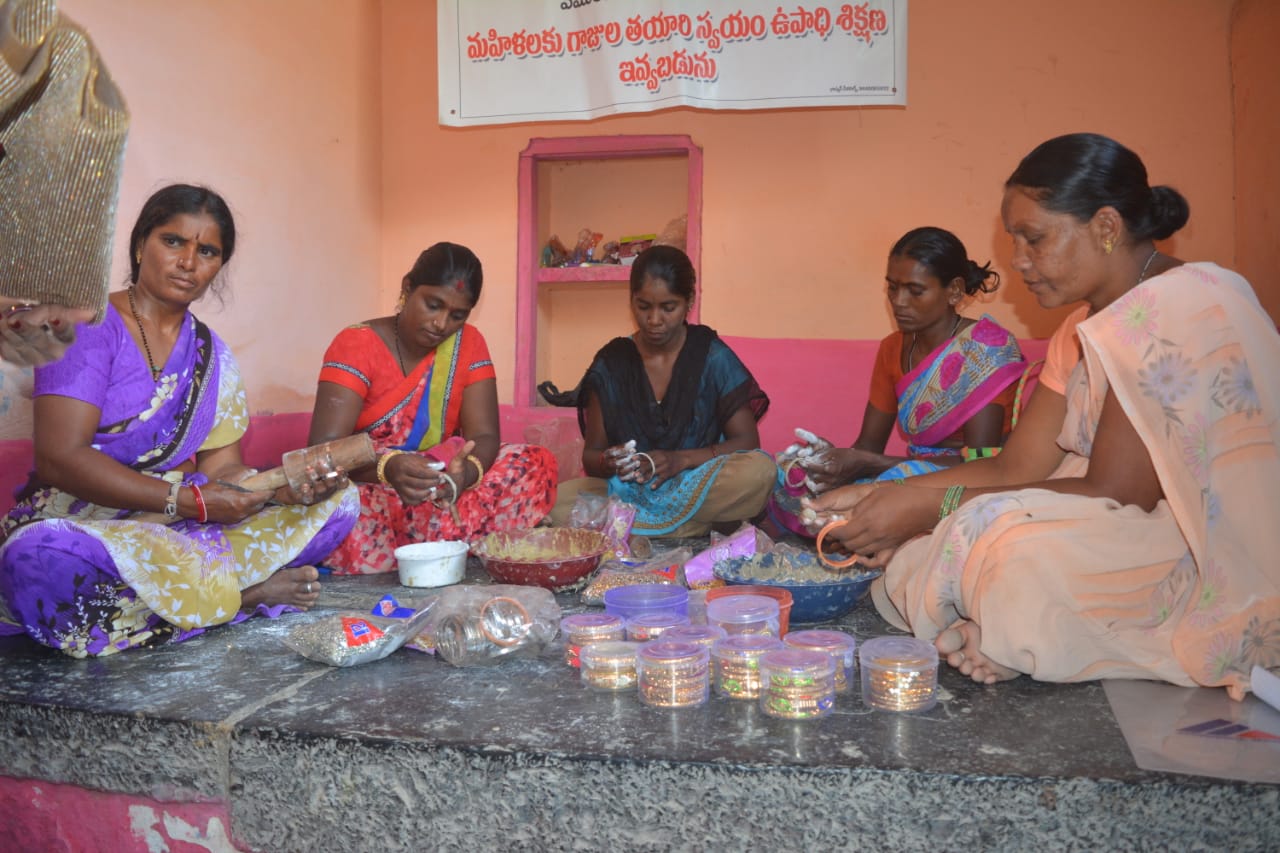
With focus on Women Empowerment through entrepreneurship. Women Self Help Group Based Empowerment initiatives are developed through initiatives like:
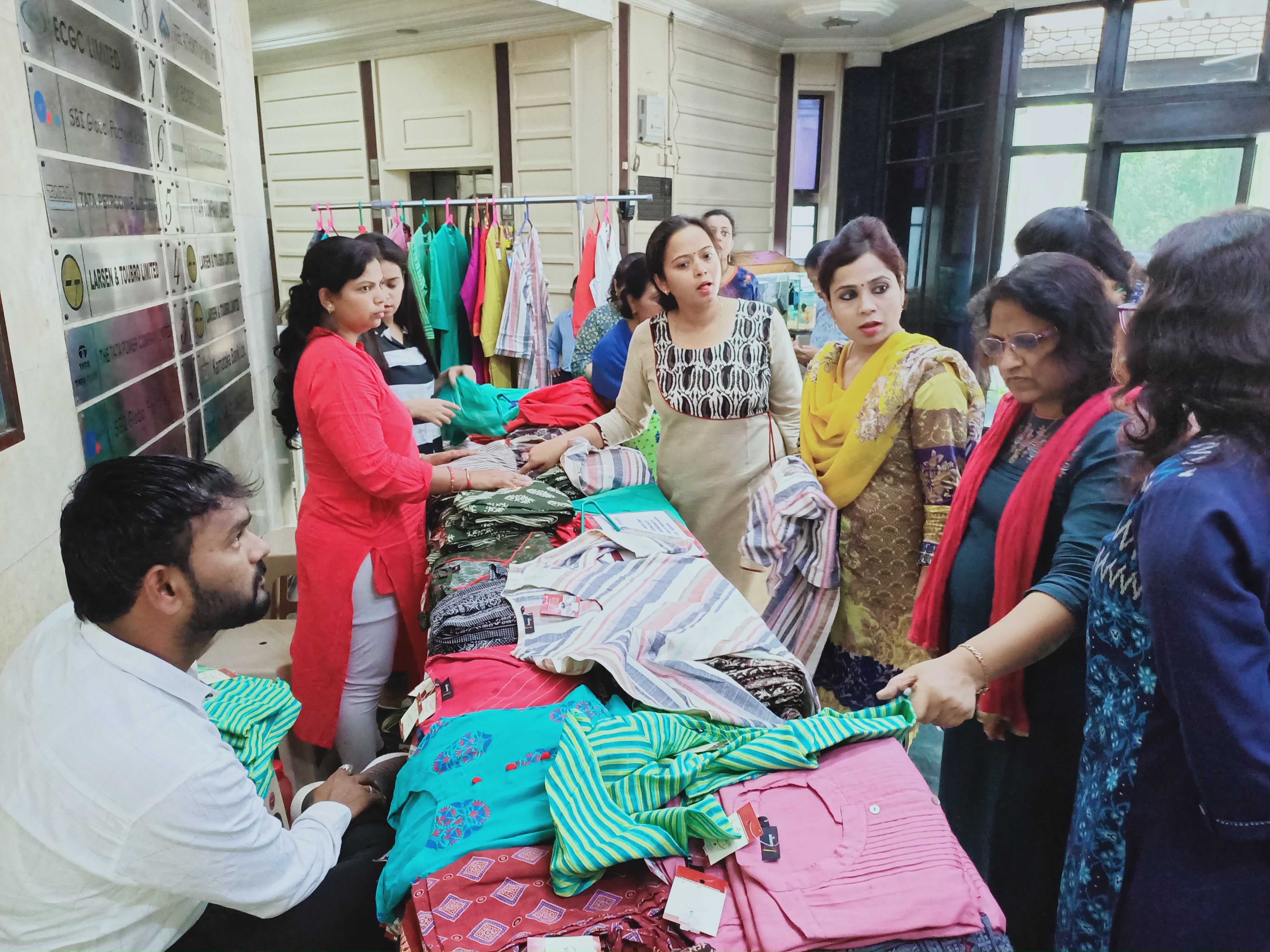
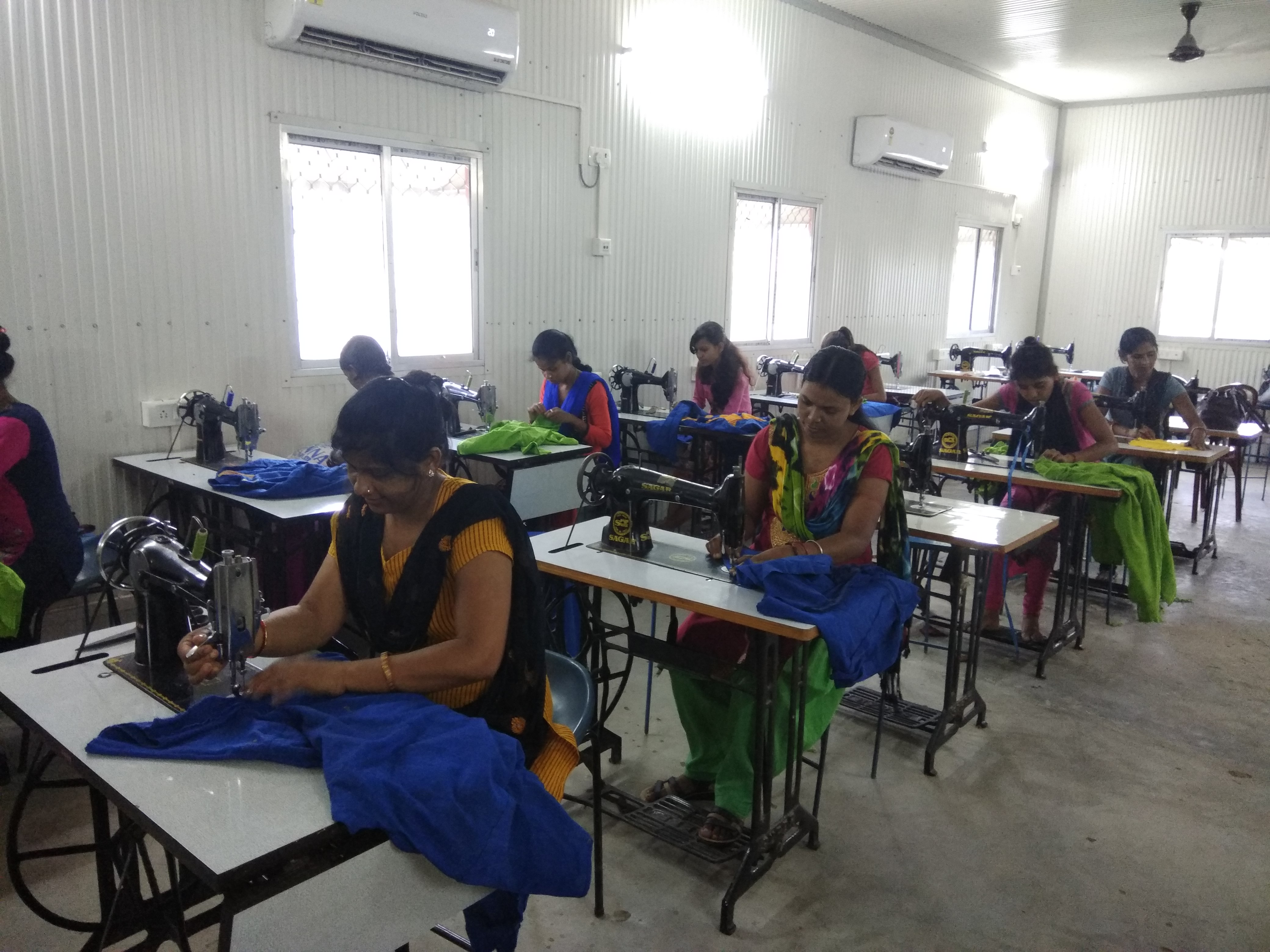
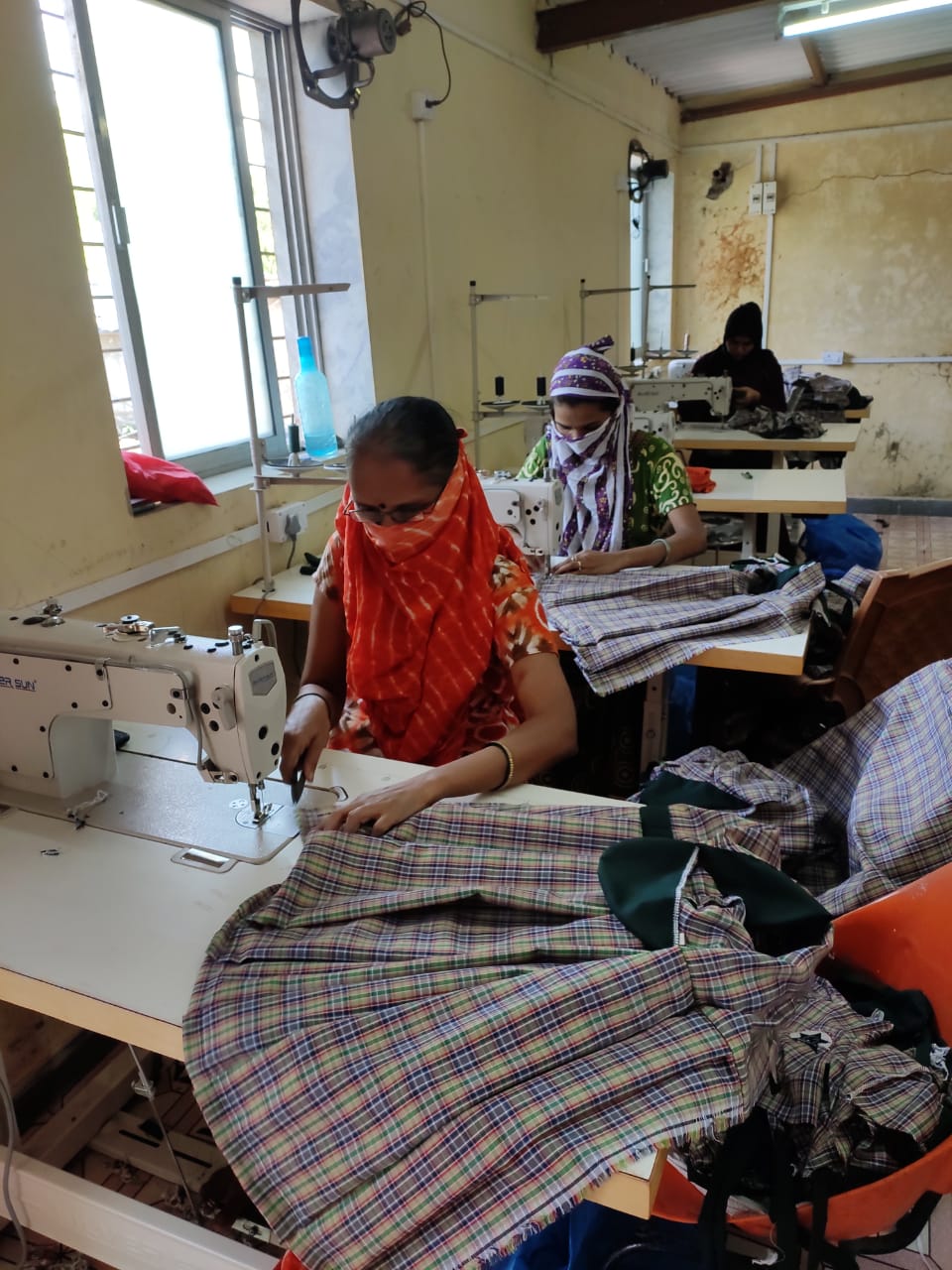
• Dhaaga -It is a woman based micro-enterprise initiative of Tata Power with an objective of empowering women and creating livelihoods. It has opened up opportunities for women to explore & develop their existing regional arts, handicrafts & learn basic stitching & tailoring skills to produce goods for the orders & market-linkages built for these groups through the Tata Power networks & SaheliWorld e-market place built to support them even through the COVID times. Total eleven centres operating across Maval (2 centres) Delhi, Mulshi, Trombay, Jojobera, Kalinganagar, Kernel, Bangalore, Mundra & Maithon
• Maval Dairy - Tata Power has facilitated this women's collective to develop Maharashtra’s 1st and India’s 2nd All Women Dairy Farmers Producer Company having 10,000 litres per day capacity advanced Milk Processing plant
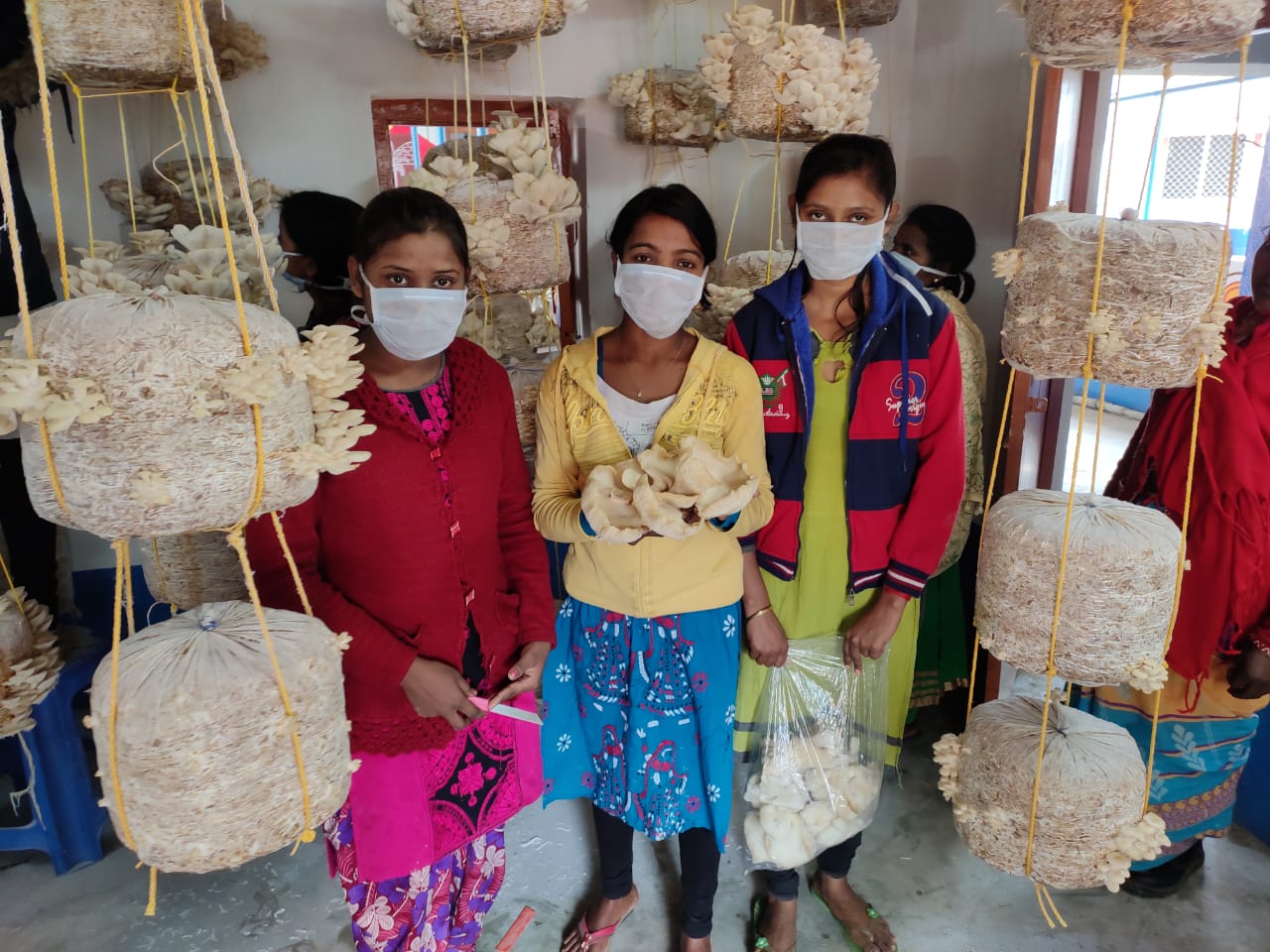
• Roshni vocational training centres facilitate livelihoods enabling skills like computer training, beautician, nursing, spoken English and other regionally relevant skills for goatery, piggery, agriculture, vermicomposting, mushroom farming, paper bag making & other products. Total eight centres operating in Kalinganagar, Jojobera, Mulshi, Maval, Trombay (2 centres), Maithon & Delhi
In total, these programmes support & further livelihoods opportunities for 1.63 lakhs near our identified business locations
Project Out comes and impact created by project activities on the ground
Livelihoods & microenterprise solution for women includes various interventions with focus on Agriculture & relevant extension practices, enablers and training for women empowerment, entrepreneurship and skill building for employability are all an embedded part of our multi-pronged approach to further socio-economic development in the regions we serve through our women change agents. Thanks to our women champions & opinion leaders in the clusters; several other developmental programmes without the active Involvement of all key stakeholders.
Following are the milestones achieved in this space over the last two years:
• Dhaaga women's conducted 51 Exhibitions across Maharashtra, Delhi, Gujarat & Karnataka
• Digital Reach enhanced through Amazon Saheli, Dhaaga Instagram page and Dhaaga Website
• Developed digital platform SaheliWorld to support agri & non-agri micro enterprises
• Women SHGs produced & sold 6.92 lakhs masks as a part of COVID-response - furthering their own livelihoods & supporting communities through these tough times
• Roshni- Vocational training centre embedded a digital software for mapping learning & outcomes
Beneficiaries of the project
Direct Beneficiary (groups) Number of Direct Beneficiary Indirect Beneficiary (groups) Number of Indirect Beneficiary Women Self Help Groups 1239 Dhaaga Members 1170 Dhaaga related 04 Maval Dairy women's 1475 Maval Dairy Employees 20
Key indicators of project results?
Indicator Particulars Remarks % House Hold income post intervention It Includes income generated through market linkages of SHGs products. Viz. Exhibitions, Online Sale, Order Generation Income increase from 2000 to 4000 Rs. ( 50 % income increase) It is because FY20 we had conducted around 51 Dhaaga Exhibitions which has generated revenue of 20 lakhs No. of Women SHGs members covered in Vocation/Employability/Income Generation initiatives No. of women covered across locations of Tata Power 6235 Members covered under this section
Use of technology and how the technology helped to achieve the larger impact.
Tata Power has been evaluating & applying several digital enablers for supporting our women SHGs, farmers & rural entrepreneurs. It includes facilitating market connects through Saheliworld.org & Amazon Saheli. Tata Power has created a separate section on the company's website to promote SHG-products amongst employees, customers and other stakeholders
‘SaheliWorld e--market place has create an empowering pull for several SHGs, farm-based micro entrepreneurs and women entrepreneurs from small town India to showcase & sell their handmade products through one platform. Besides, taking connecting urban India to the rich indigenous products of India, the site is also a vibrant expression of many artisans’ cultural and traditional way of life. This platform has a wide range of products including Covid-19 essentials - all made & sold by our micro enterprises
Women SHGs are also trained & supported through visual, audio visual & digital enablers in these COVID-19 times to support desirable health & hygiene behaviours in the communities, web-based training & capability building for livelihoods resilience and facilitate access to state & welfare services in these tough times. Special software has been deployed in Roshni Vocational Training Centres to strengthen the capture of registrations & learning outcomes making the programme stronger
Leveraging Governement Schemes and achieving the good impact
At local levels, several SHGs have been linked with Govt. & NABARD schemes through our financial inclusivity efforts. There are work-in-progress synergies & collaborations to further a collective of collectives approach to drive a consolidated & scalable social enterprise model
Sustainability and Scalability of the project.
The programme has ramped up coverage & initial capability building across 16 locations in the last two years. These integrated programmes have enabled a well-oiled, community owned and empowered set of collectives working closely with our CSR teams in these regions. The next level focus is on evolving national & global alliances centred on inclusion of women, handwork communities & mass entrepreneurship. This is meant to enable resource-sharing, cause-strengthening & cross-synergies for innovative & sustainable sourcing & production, viable aggregation & business models for B2B linkages and multi-stakeholder approaches for strengthening artisans' ecosystem in the country
Information about project
https://saheliworld.org/ https://www.tatapower.com/dhaaga/ https://www.amazon.in/s?rh=n%3A1571271031%2Cp_4%3ADhaaga&ref=w_bl_sl_s_ap_web_1571271031 https://www.instagram.com/p/BqbsBFclV5X/?tagged=dhaaga&hl=en
Previous Next